





































Bio-CNG carbon credits from organic waste
See how we credit the fossil fuel your compressed biogas replaces, after netting out digester emissions and methane leaks.
Organic waste to clean fuel, measured at every step

What it is
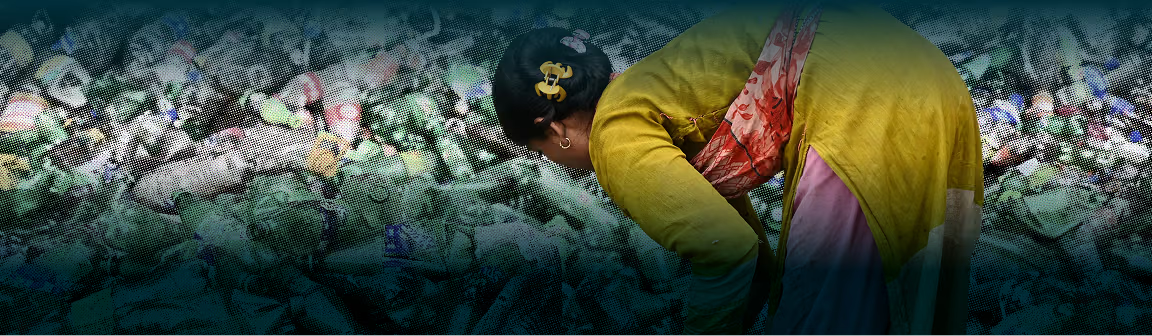
Anaerobic digesters turn crop residue, manure, and organic waste into biogas. Upgraded by removing CO2 and moisture, it becomes compressed biogas that replaces natural gas, LPG, or diesel.

Why this method
Credits count the fossil fuel the gas replaces, net of digester emissions and methane leaks, so the figure stays honest about the project's own footprint.
Compressed biogas methodology and monitoring, step by step
Methodology
Baseline: the fossil fuel the compressed biogas replaces, such as grid natural gas, LPG, or diesel, valued at its emission factor. The gap between that baseline and the project's own emissions is what gets credited. Bar proportions are illustrative.
The baseline is the fossil fuel the gas replaces, sold as vehicle fuel or piped gas, valued at its emission factor.
We subtract emissions from digester operation, fugitive methane leakage, and the energy used to upgrade the gas.
What remains after those deductions is the reduction a verifier can confirm and the registry can issue as credits.
MRV approach
1. Feedstock input
We meter the organic feedstock that enters the digester, so every tonne of input is on record.
2. Biogas produced
Metering of raw biogas output shows how much gas the digester makes.
3. CBG volume and purity
We record the volume and purity of the compressed biogas leaving the plant, the figure that sets the fuel displaced.
4. Leak detection
Periodic leak surveys check for fugitive methane, because even small leaks weigh heavily given methane's global warming potential.






Straight answers on compressed biogas credits
Start with the questions we hear most before a Bio-CNG project begins, then bring us your details.
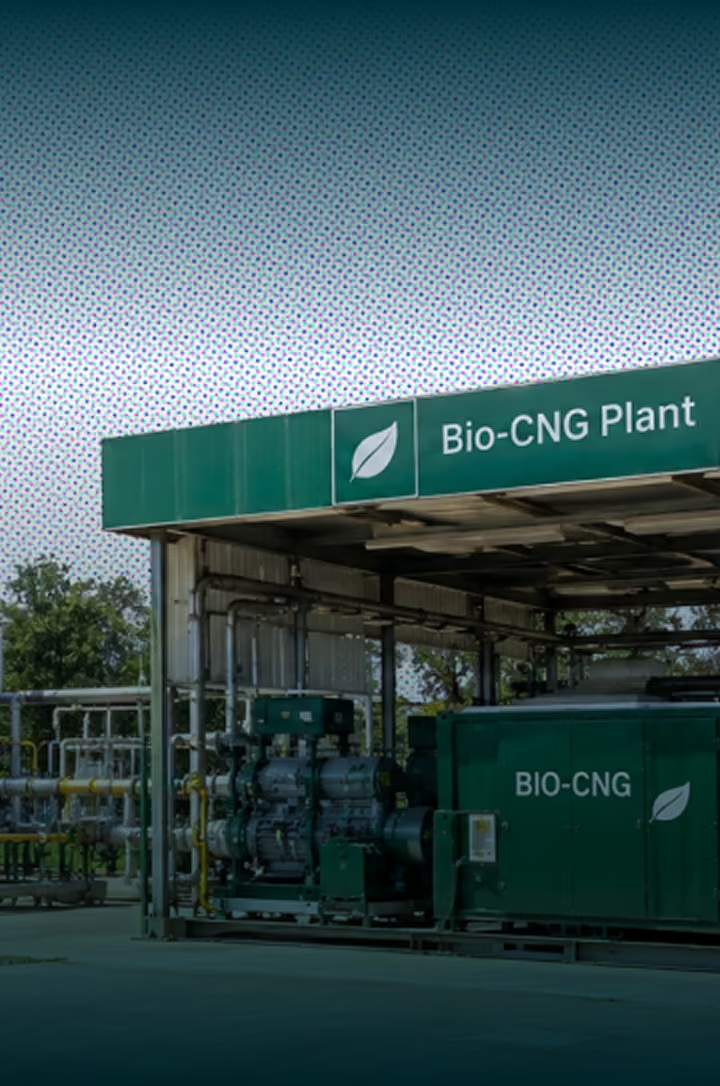
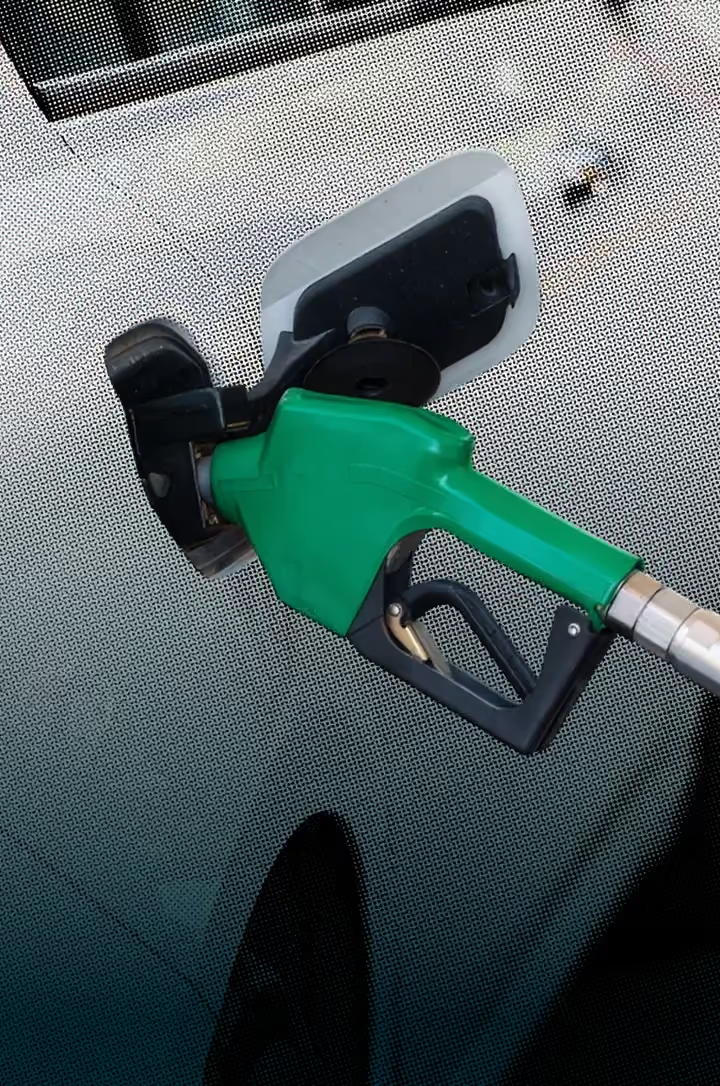
Biogas forms when organic waste breaks down without oxygen in a digester. Scrubbing out CO2 and moisture upgrades it to compressed biogas, also called Bio-CNG, which can fuel vehicles or feed a gas pipeline.

It earns credits for the fossil fuel its gas replaces, such as natural gas, LPG, or diesel, less the project's own emissions. Credits issue after a verifier confirms the metered feedstock, biogas, and output volumes.
Methane has a high global warming potential, so even small fugitive leaks can cancel part of the benefit. Periodic leak detection surveys measure them, and we deduct the lost methane from the project's reductions.
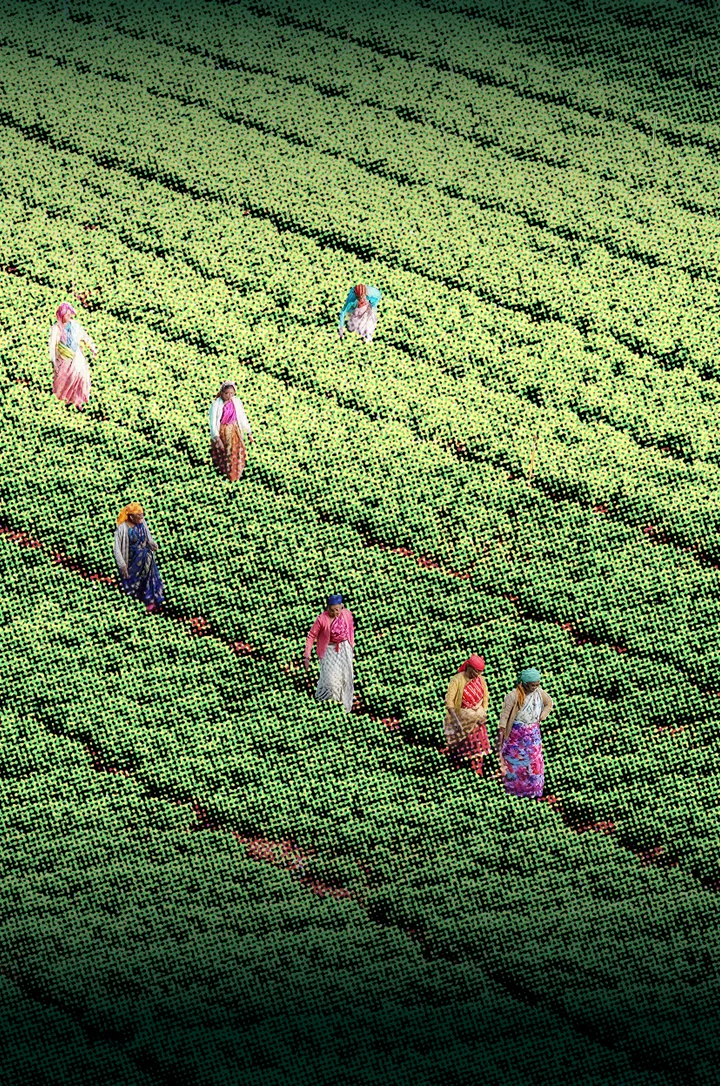
Eligible feedstocks include agricultural residues, animal manure, municipal organic waste, and industrial effluent. The mix depends on what is available near the plant and on the methodology, which we confirm during screening.
They check metered feedstock input, biogas produced, and the volume and purity of the compressed biogas, along with results from leak surveys. We help you keep these records ready for each monitoring period.