



























Impact that reaches both people and the planet
We support net-zero and CSR goals with projects that deliver essential services to rural communities, including clean cooking, household biogas, safe water and solar access.
Corporate climate action with real community impact
We help companies invest in community development projects that reduce emissions while improving access to basic needs in rural homes.

SDG-aligned social outcomes
We address essential needs in rural communities with programs like clean cooking, household biogas, safe water and solar access.

CSR with a climate outcome
Built to meet net-zero and social impact goals, our projects connect measurable carbon reductions with human outcomes.

Impact you can measure
66,000 tCO₂e in annual reductions, 24,000+ beneficiary families and 2,400+ livelihoods created across the portfolio.

A story worth standing behind
Documented beneficiaries and environmental co-benefits that make a stronger case for stakeholders.
Carbon credits are just the beginning. Community co-benefits create lasting value.
For ESG and CSR leaders, rural community projects deliver measurable social outcomes, stakeholder trust and a defensible impact story, with credits as one result among several.
ESG performance
Social and environmental outcomes feed directly into ESG disclosures, ratings and investor reporting.
CSR delivery
Fund programmes in rural and underserved regions with clear beneficiaries and monitoring data.
Net-zero contribution
Emission reductions from cooking, biogas and solar projects support climate targets.
Stakeholder trust
Visible local impact builds credibility with communities, employees, regulators and shareholders.
Lower social risk
Strong local relationships can reduce reputational and operational risk where you work.
Co-benefits beyond carbon
Health, time saved, cleaner air, safe water and energy access, reported alongside credits.
Impact you can map to the Sustainable Development Goals
Each project type contributes to specific SDGs. Indicators below are illustrative; the final set follows the chosen standard and monitoring plan.
Cooking, biogas, water, solar
Indicators tracked over time
Disclosure-ready evidence
Registry record, where credits apply
Verra SD VISta · Gold Standard for the Global Goals
CLIMATE INVESTMENT · COMMUNITY-BASED PROJECTS
Why corporates invest in community projects: climate action, ESG and compliance
Credits are the smaller part of the return. The larger part is verified social impact that meets ESG and CSR expectations and holds up to regulators.
Cleaner cooking, biogas and solar cut emissions at household level, funded by corporate contribution.
Environmental outcomes, plus health, time saved and energy and water access for the social pillar, and monitored governance.
Specific, monitored outcomes with registry records, so CSR and sustainability claims can be substantiated.
The problems that can weaken impact
Community programs face gaps in credibility and carbon outcomes. We provide the project development and carbon expertise to close them.

Your CSR funds don't just change hands. It goes into live projects backed by established partners and systems already delivering impact.

Social impact needs more than a claim, so we document the people reached, outcomes delivered and evidence behind them.

Impact alone doesn't make a carbon asset, so we apply proven methodologies and processes to turn it into a credible carbon credit.
How your community project goes from funding to impact
Our process, designed to deliver real-world impact and credible carbon outcomes.
We assess household needs, local conditions and the communities we serve.
We choose the right intervention and define how benefits reach households.
We build the carbon project around the intervention, from methodology to documentation.
We work with local partners to bring cookstoves, biogas, water or solar solutions to households.
We track household use, emissions reductions, beneficiaries and community benefits.
We verify the results, issue carbon credits and report the impact delivered.
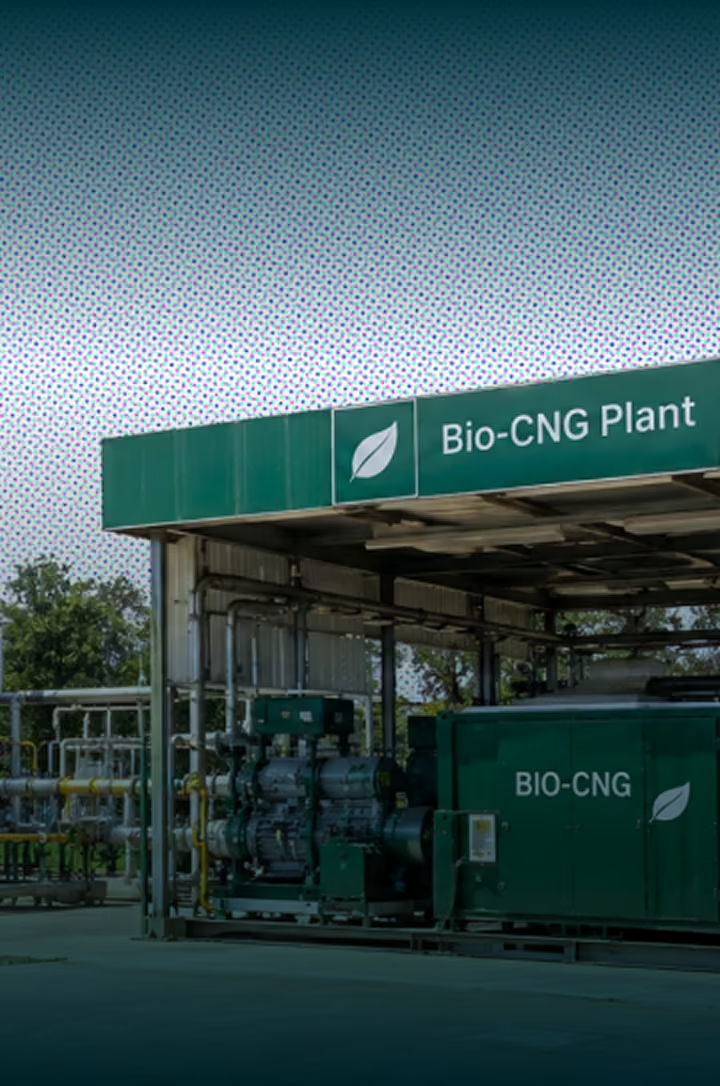


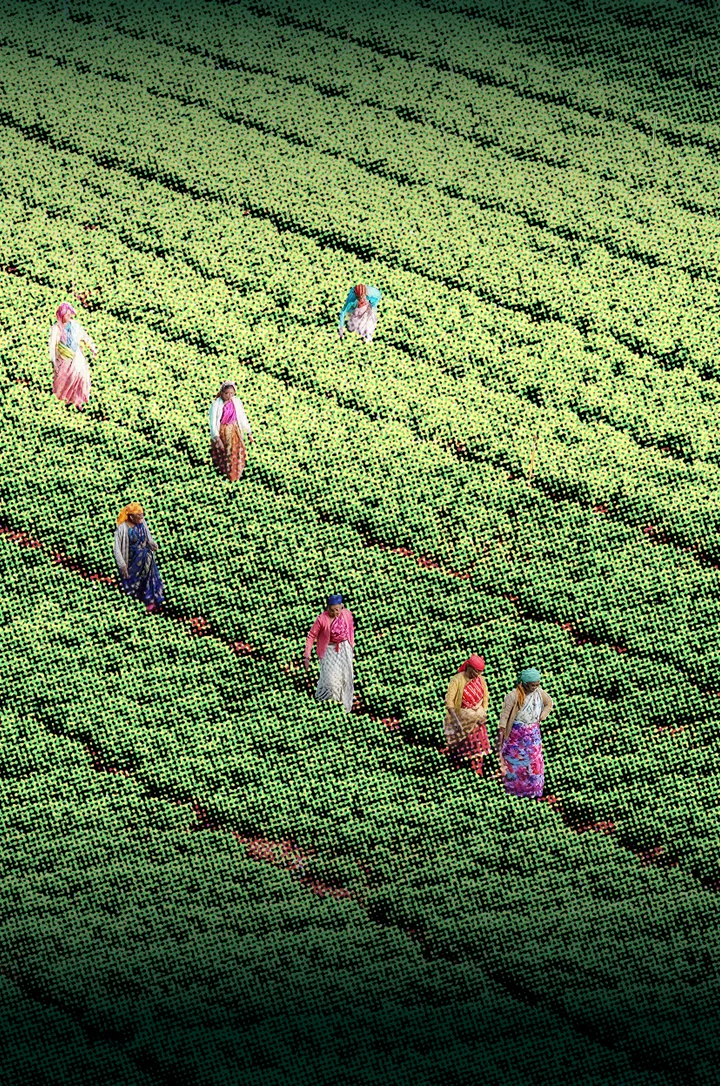



What your community programs deliver

Programs delivering clean cooking, biogas units, safe water and solar lighting to rural households

Projects developed through recognised methodologies, verification and carbon credit issuance.

Documented households, livelihoods, community outcomes and environmental impact you can report.

On-ground delivery through established NGOs and local partners.

Interventions developed to deliver measurable emissions reductions and carbon credit revenue.

Clear evidence of the impact your funding delivers, ready for CSR reporting and stakeholder pitches.
Community impact, shaped by your industry's standards
We connect industry priorities like CSR and net-zero commitments to programs that deliver emissions reductions and social impact.










Straight answers on community development programs
Start with what partners ask most about design, credits, and impact measurement, then bring us your community goals.
These are typically development or sustainability initiatives designed for local communities, such as clean cookstoves (Improved Cookstoves), household biogas digesters, solar household LED, SWD (Safe Drinking Water) or livelihood programs, often linked to broader climate or social objectives.

Community involvement generally includes consultation and needs assessment during design, and ongoing engagement during implementation, though the specific approach varies by project.
Some community-based projects (e.g., clean cooking, water purification) can generate carbon credits under recognized methodologies, but this depends on the specific project type and standard used.
Impact is typically measured through a mix of quantitative data (e.g., emissions or resource use) and qualitative community feedback, often via a social impact assessment.
Organizations can typically support these projects through direct funding, purchasing associated credits, or partnership arrangements. The options should be discussed based on your goals.
Genuine community consent (FPIC), fair benefit-sharing, real and measured social co-benefits, strong safeguards, transparent reporting and verified emission reductions. We design projects with communities at the centre.
Yes. Interventions such as clean cookstoves and safe water reduce emissions while improving health, saving households money and easing pressure on forests, delivering climate and development benefits together.