































Know your project's carbon potential before you invest
We assess if your project qualifies for carbon credits and which standard applies, including when the honest answer is no.
Carbon project assessments, backed by honest data
Feasibility assessments informed by real registration experience across standards, methodologies, and project types.
Honesty before commitment

We assess credit potential before development begins. If the numbers don't hold, you get a report and nothing is wasted.
Standalone or as a gateway

You don't have to register to get an assessment. If the project qualifies, the same team takes it forward. If not, the report is yours.
Multiple assessment types under one roof

We assess carbon eligibility, sequestration potential, baseline studies, social impact, GIS and remote sensing, all handled in-house.
Grounded in real registration outcomes

Our report is informed by what we've seen pass and fail at validation across VCS, Gold Standard, GCC, CDM, CCB, and CORSIA.
Trusted by project developers who needed the honest answer first














Choose the assessment your project needs
Standalone reports that give you a clear, actionable answer before any commitment to registration


Understand the sequestration value of your plantations, farmland, or restoration sites.
Key capabilities
- Species and methodology matching
- Yield and timeline projection
- Credit revenue modeling

Independent assessment of whether funds deployed are reaching the right communities and creating the impact they were intended for.
Key capabilities
- Impact measurement and management
- Community benefit documentation
- Fund flow verification
- Stakeholder consultation and reporting

Satellite imagery and spatial analysis for land based projects, where we track progress across thousands of hectares of land.
Key capabilities
- Satellite imagery and land cover analysis
- Vegetation growth monitoring
- Project boundary mapping
- Change detection across credit periods
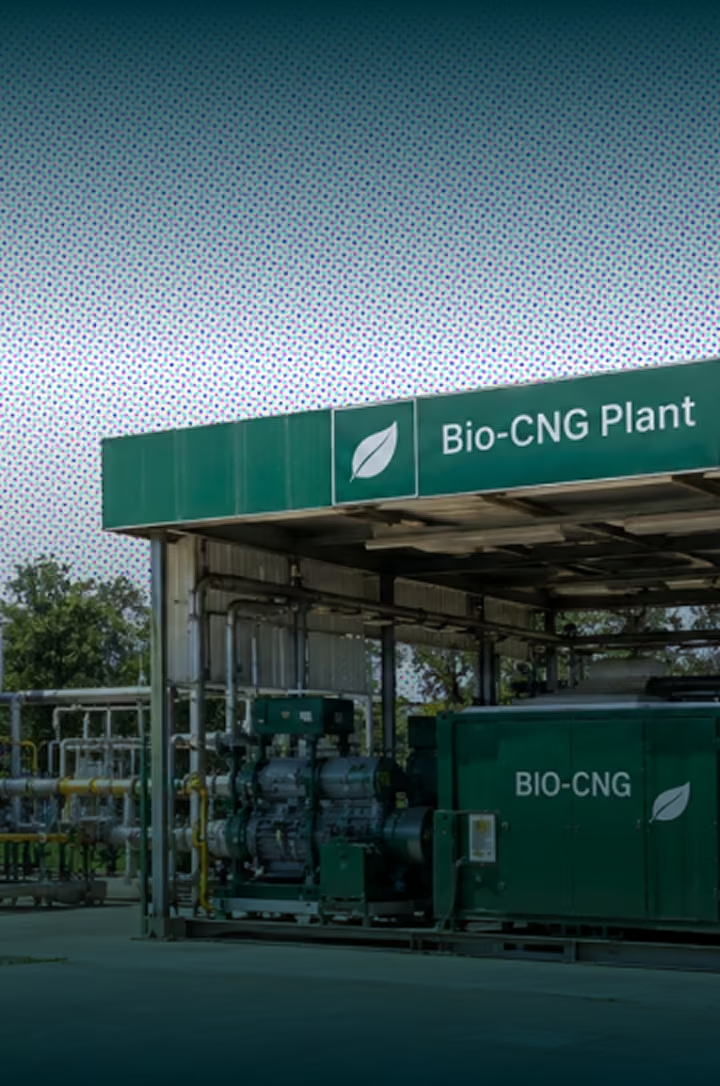






Assessing carbon project potential across industries
Eligibility, methodology, and credit potential differ by industry. We assess projects with the depth each sector demands.









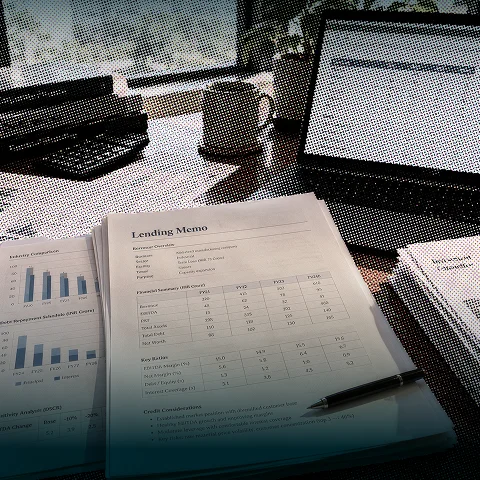



Inside the work of carbon project feasibility and due diligence
We help project developers and land owners understand their carbon potential before committing time or capital to registration.









Straight answers on project feasibility study
Start with what owners ask most before investing in a feasibility analysis, then bring us your project details.
It typically evaluates the technical, financial, environmental, and regulatory viability of a proposed project before significant investment is made.

It helps identify risks, costs, and potential barriers early, giving stakeholders the information needed to decide whether and how to proceed.
Renewable energy, carbon, waste management, water, and other sustainability-linked projects can generally be assessed, though the assessment approach differs by sector.
Timelines vary significantly based on project size, data availability, and site complexity. This should be scoped on a per-project basis rather than assumed.
Typically a report summarizing findings, risks, and a recommendation on whether and how to proceed, though exact deliverables should be agreed upon at the start of engagement.
It tells you, before you invest, whether your project is likely to be eligible under a recognized standard, whether it is additional, roughly how many credits it could generate, what development and MRV will cost, and what returns and impact to expect, giving you an evidence-based go/no-go decision.
Timelines depend on project type, data availability and site access. Simpler assessments can be quick, while land-based or data-scarce projects take longer because they may need remote-sensing analysis or field data.
Additionality means the emission reductions would not have happened without the carbon finance. The project isn't business-as-usual or already required by law. It is a core eligibility test under every credible standard, because credits are only valid if they represent genuinely extra climate benefit.