






































A 300 MW solar plant on the Indian grid
See how a two-component solar build is designed to avoid an estimated 6.36 million tonnes of CO2e.
Utility-scale solar for the Indian grid
The Dholera project generates electricity from grid-connected solar panels. Each unit it supplies displaces fossil-fuel generation, and the project is estimated to avoid 6.36 million tonnes of CO2e over a 10-year crediting period.



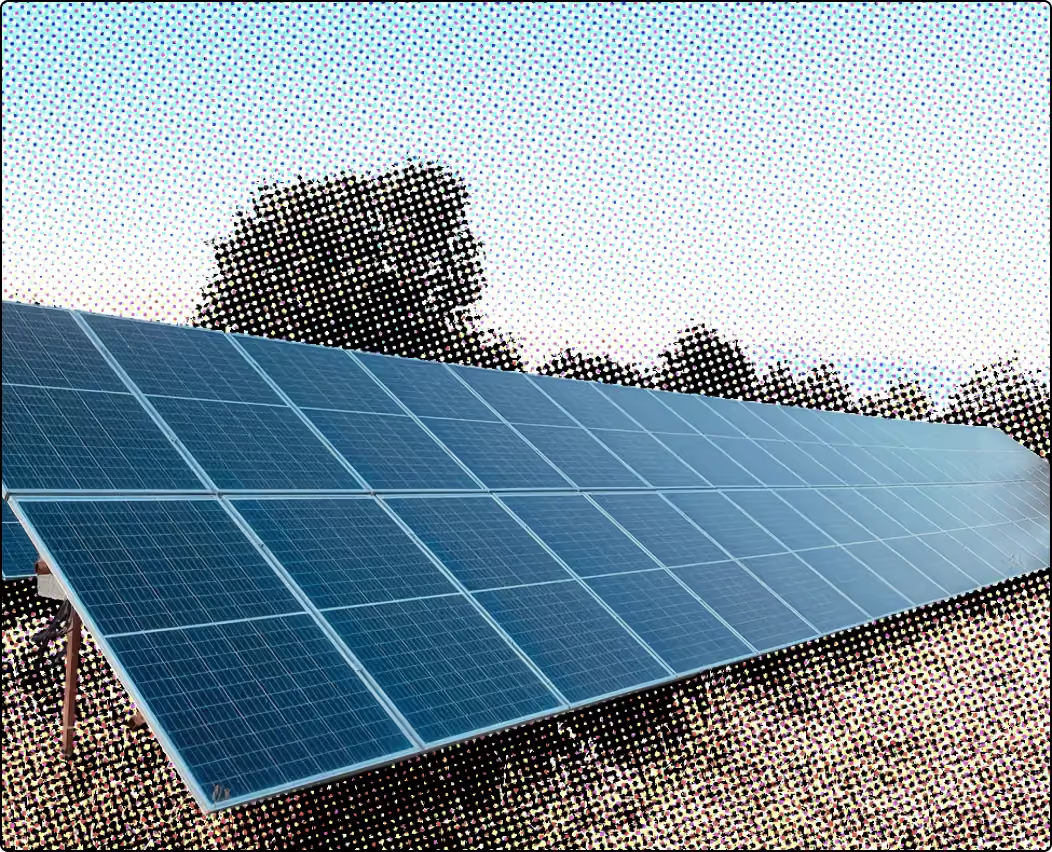
- Project scope300 MW grid-connected solar PV (250 MW + 50 MW)
- Key stakeholdersConsulting partner: Infinite Solutions. Project developer: Name withheld for confidentiality
- Project duration25-year operational life, 10-year crediting period
- Registry and methodologyGCC & ACM002 : Grid-connected electricity generation from renewable sources
Emissions avoided, year after year
From fossil-fuel power to 300 MW of solar
Follow a two-component build designed to run for 25 years and earn credits for 10.
01 The challenge
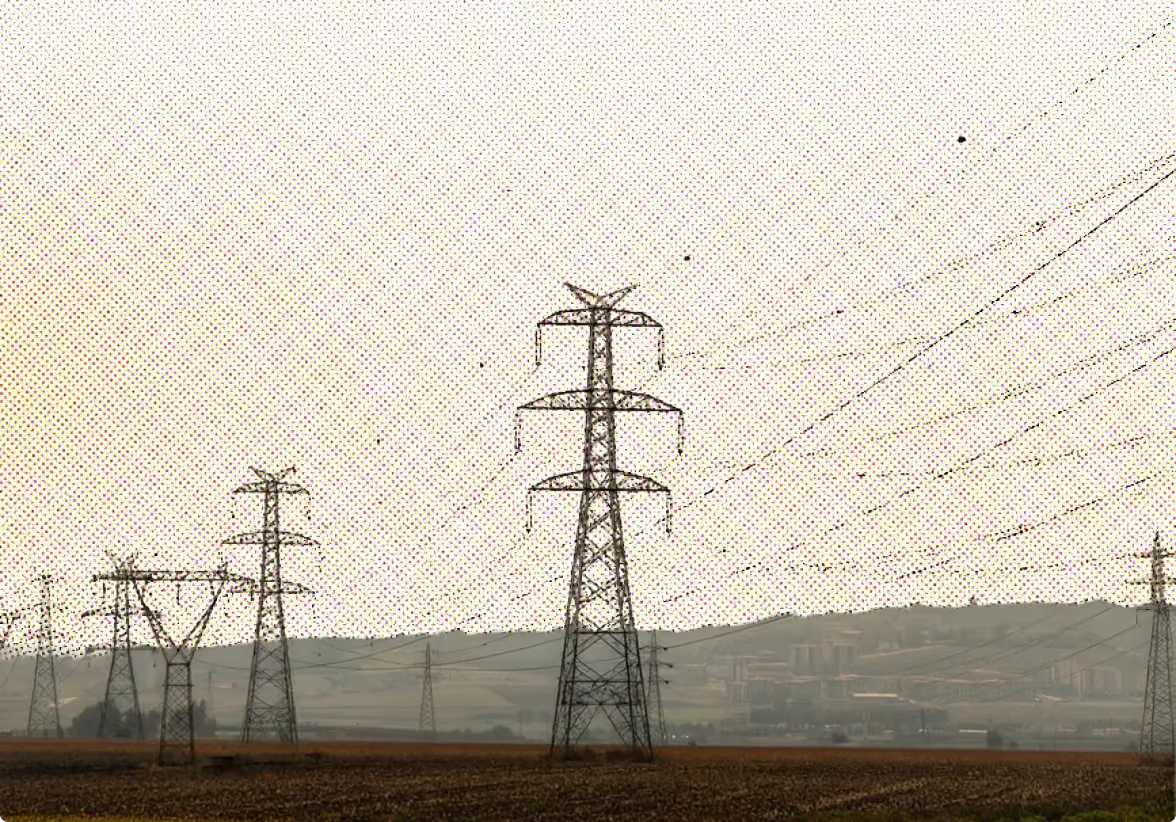
Power on the Indian grid still comes largely from fossil fuels, so new solar counts for the climate only when it displaces that generation at scale. A plant this size also has to perform for its full 25-year life, not only at commissioning.
02 The approach
The project uses grid-connected photovoltaic technology across a 250 MW and a 50 MW component. Both supply the Indian grid directly and displace fossil-fuel generation, with credits earned over 10 years.
03 Delivery
The plant operates at capacity utilization factors of 26.7% and 28.5% across its two components. It supplies renewable power directly to the grid.