



























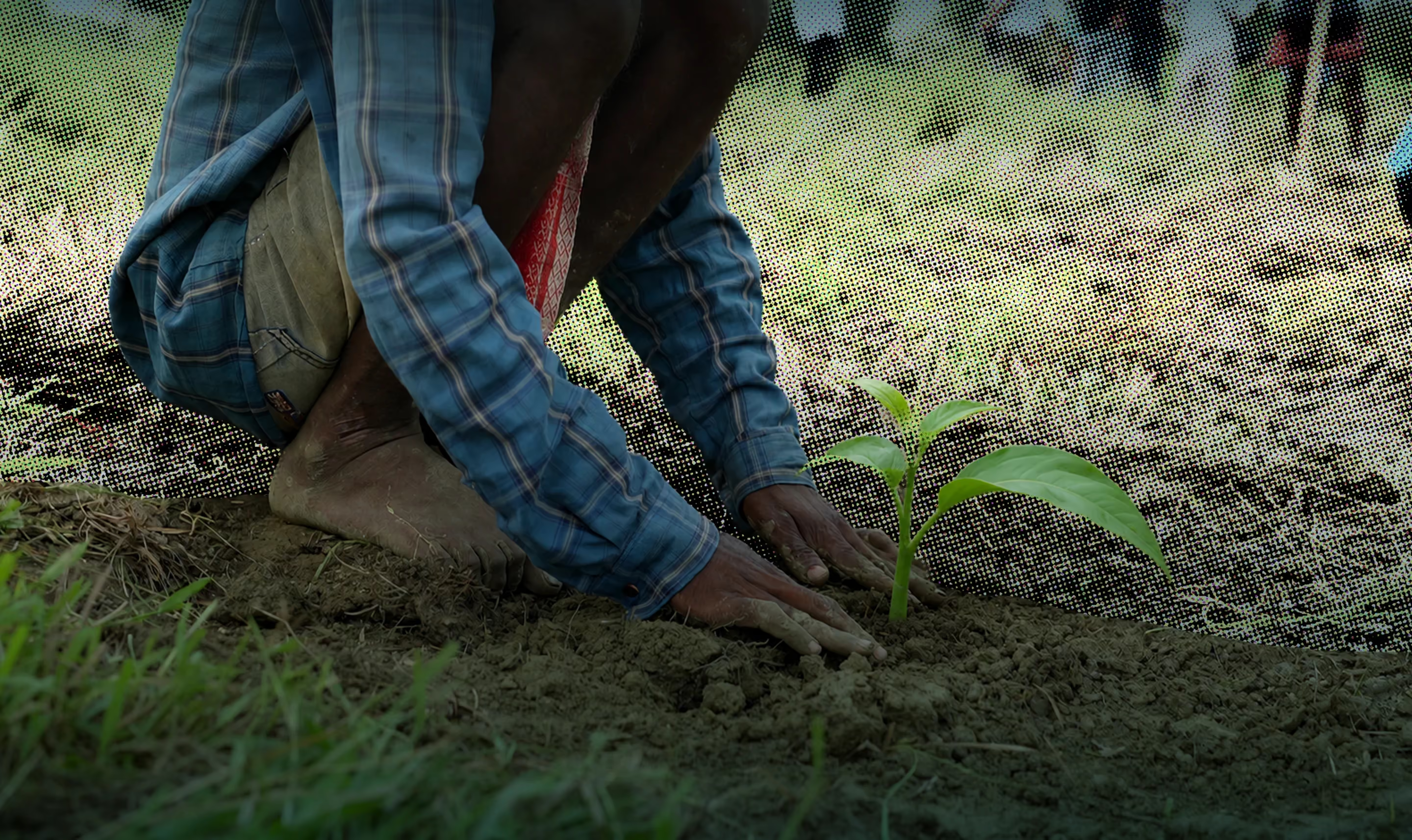
Afforestation, reforestation, and restoration projects, from land check to verified removals
See how we plan tree planting, measure growth, and steward reforestation projects, so growing forests become verified removal credits and lasting income for the families who plant them.
Tree cover as a carbon asset
What it is

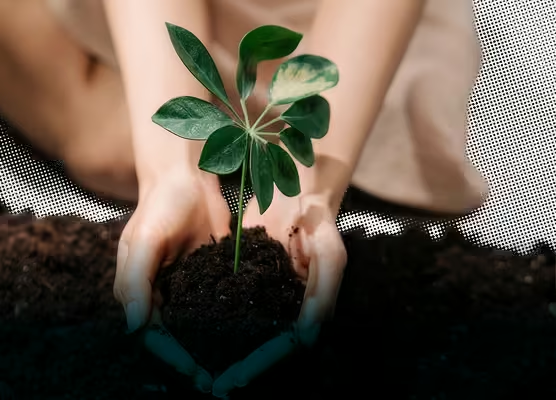
Projects that establish or restore tree cover on degraded or non-forested land. As the vegetation grows, it removes CO₂ and brings biodiversity, soil, and water benefits.
Why it matters

Growing new forests is one of the most recognized nature-based removal pathways, and it supports landscape restoration commitments.
Market opportunity

High-quality ARR removal credits are in strong demand, especially when they carry robust biodiversity and community co-benefits.
Business value

Landowners and communities turn restoration into long-term finance, and corporates secure nature-based removals for their climate targets.
Deep experience in restoration, from plantation survival to shared revenue

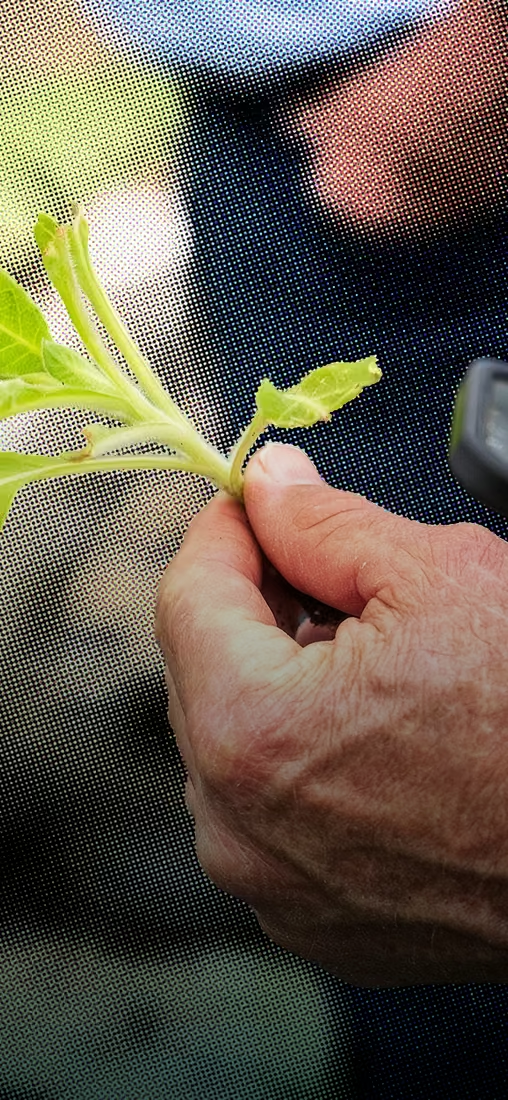


From land assessment to long-term stewardship, in six stages
See how we measure growth, survival, and carbon stock, and how we protect permanence for decades.


The planting model behind your credits
Pick the model closest to your land, and see how we measure its removals.


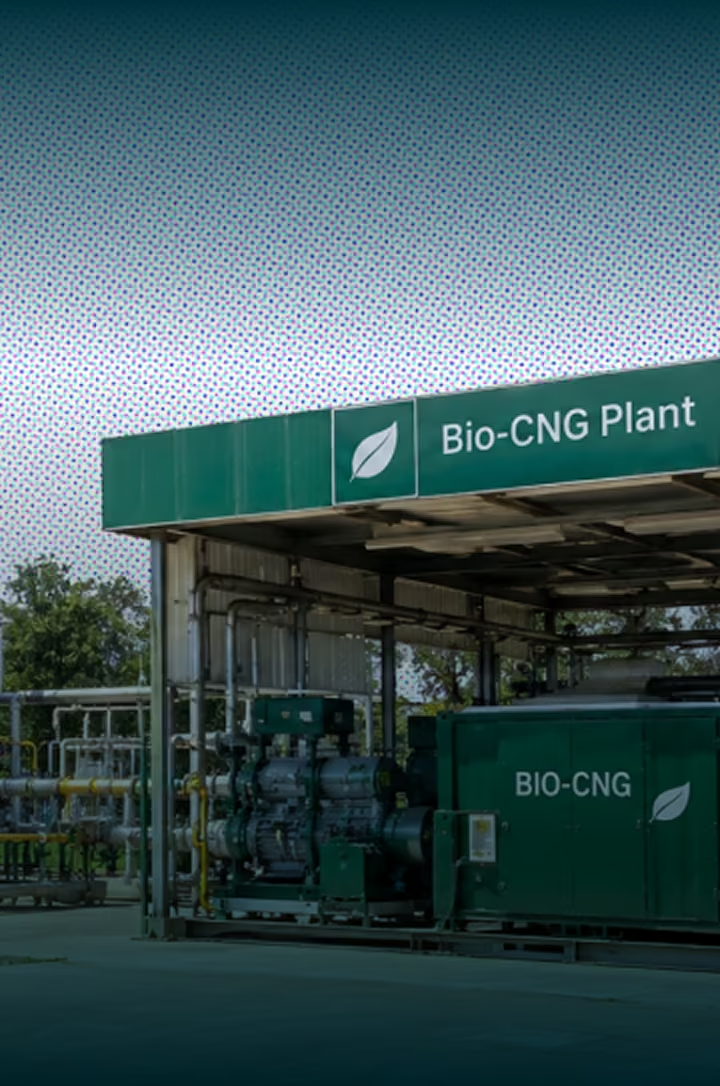
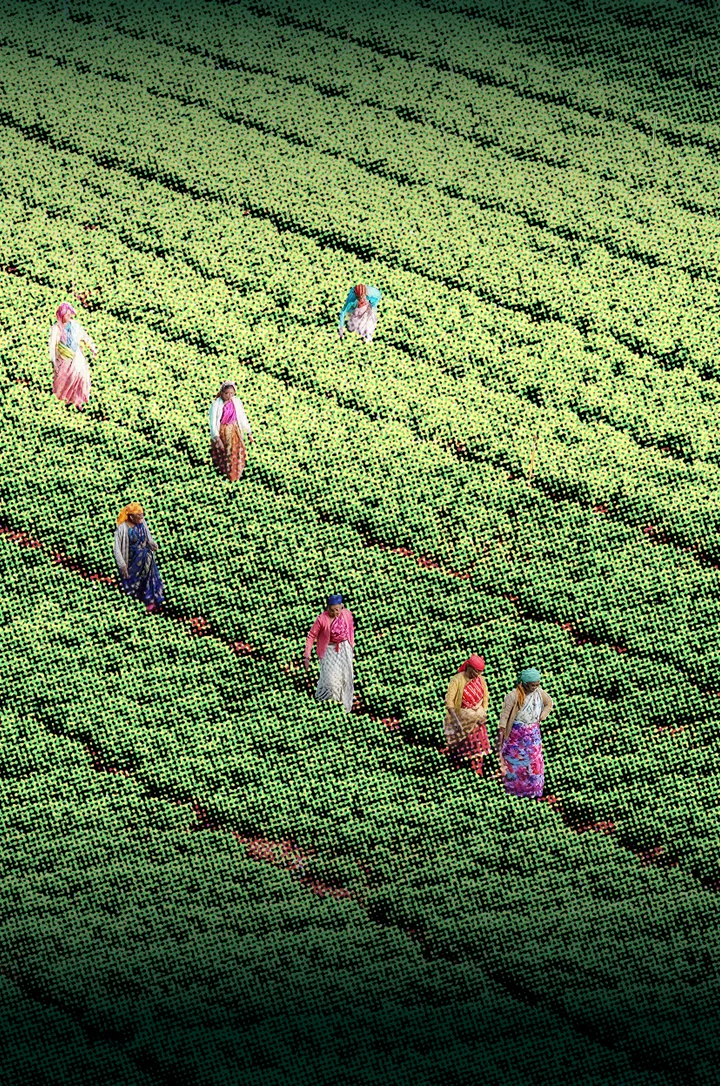
Restoration projects across the portfolio





Straight answers on afforestation and reforestation credits
Start with the questions we hear most before a project begins, then bring us the details of yours.
ARR stands for afforestation, reforestation, and restoration. It establishes, restores, or improves forest and tree-based ecosystems.

Afforestation establishes trees or forests on land that has not recently been forested, depending on the applicable definition.
Reforestation restores forest cover on land that was forested before but lost its cover.
Restoration aims to recover ecological functions, biodiversity, and ecosystem services in degraded landscapes.
Trees and other vegetation absorb CO2 from the air through photosynthesis and store the carbon in biomass and soils.
Yes. Eligible ARR projects earn removal credits for increases in carbon stocks that we measure and an independent body verifies.
Species, planting density, growth rates, climate, soil, survival rates, management practices, and project duration all shape the outcome.
They support biodiversity, soil health, watershed protection, livelihoods, and landscape resilience.
We use field measurements, sampling, remote sensing, GIS, survival assessments, and biomass estimation.
Long-term management keeps trees alive, protects carbon stocks and ecological benefits, and secures the project's intended outcomes.