



























A clear path from carbon project to issued credits
See how we screen, design, verify, and steward carbon projects, so the credits you earn are issued on schedule and hold up with any buyer.
Avoidance and removal projects matched to your site and standard
Start with the type that fits your site, then see the methodology, the timeline, and the value it brings.

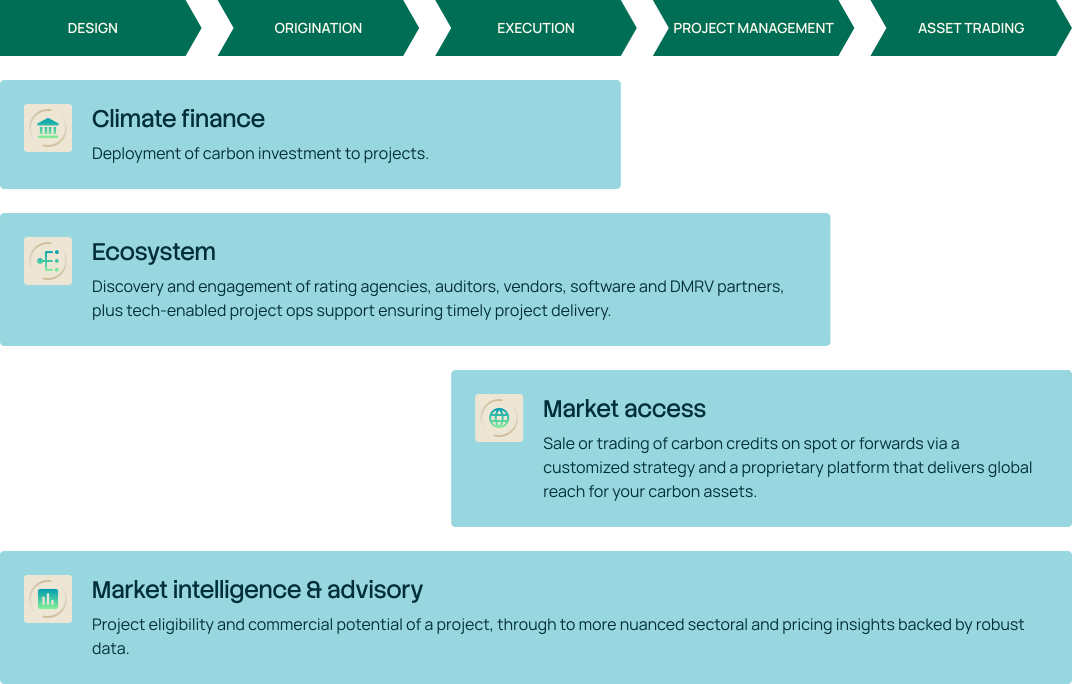
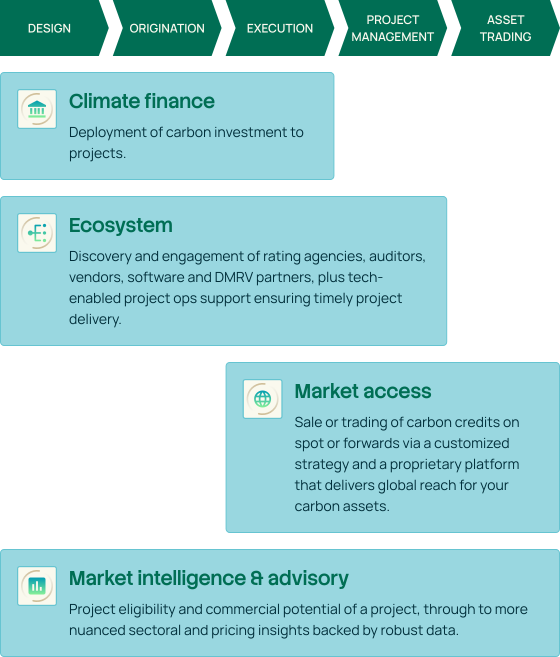
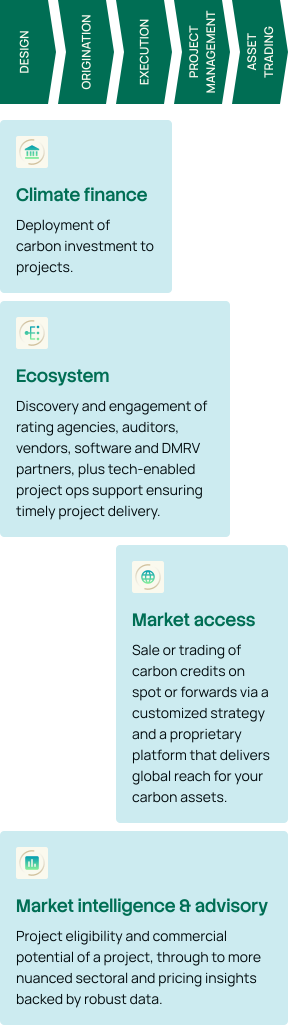
The route from eligible site to verified credits
Check your project against each stage before you commit, and see where we take the work off your team.



Straight answers on carbon projects and credits
Read how credits are earned, verified, and sold, and ask us about anything specific to your project.
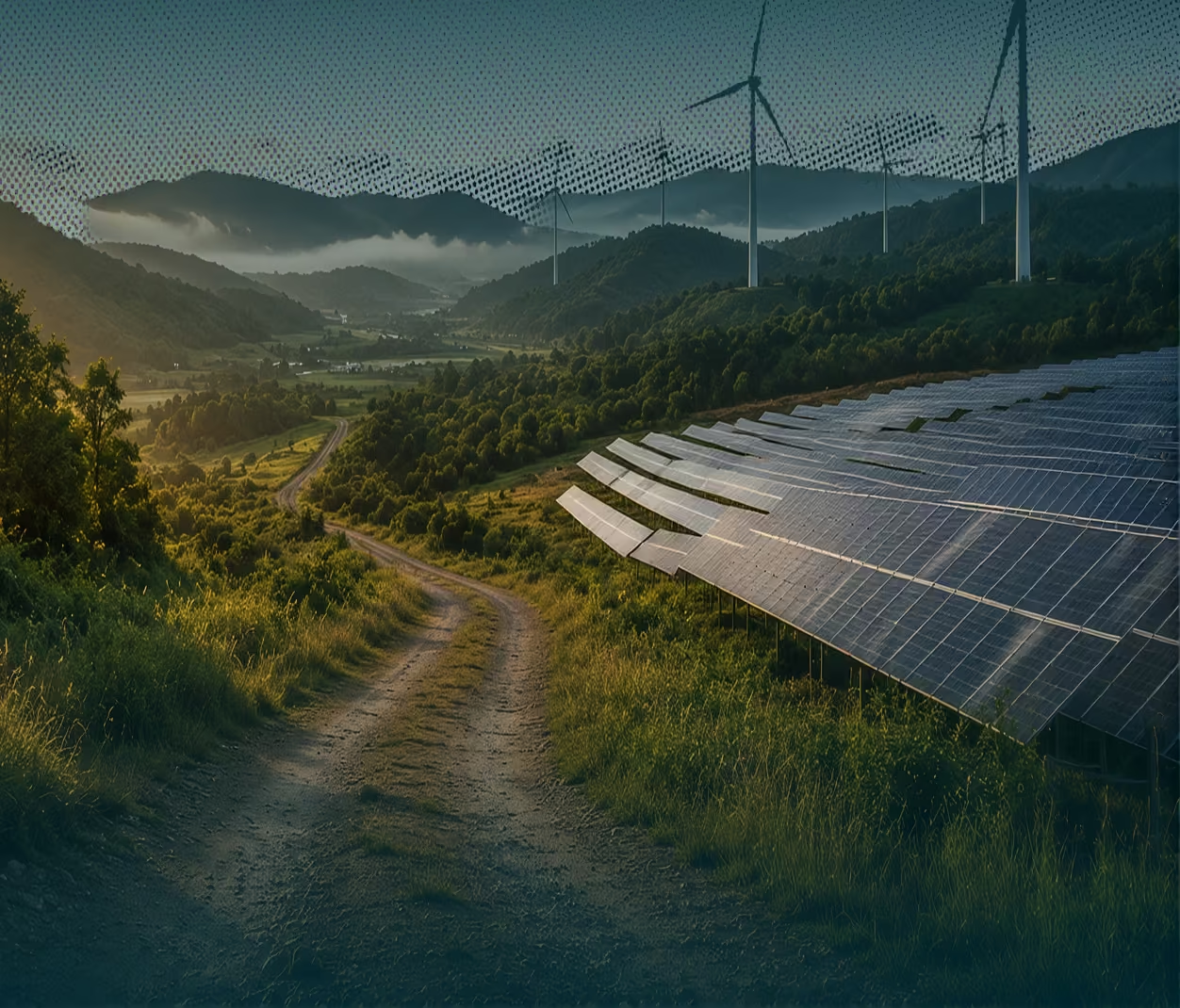
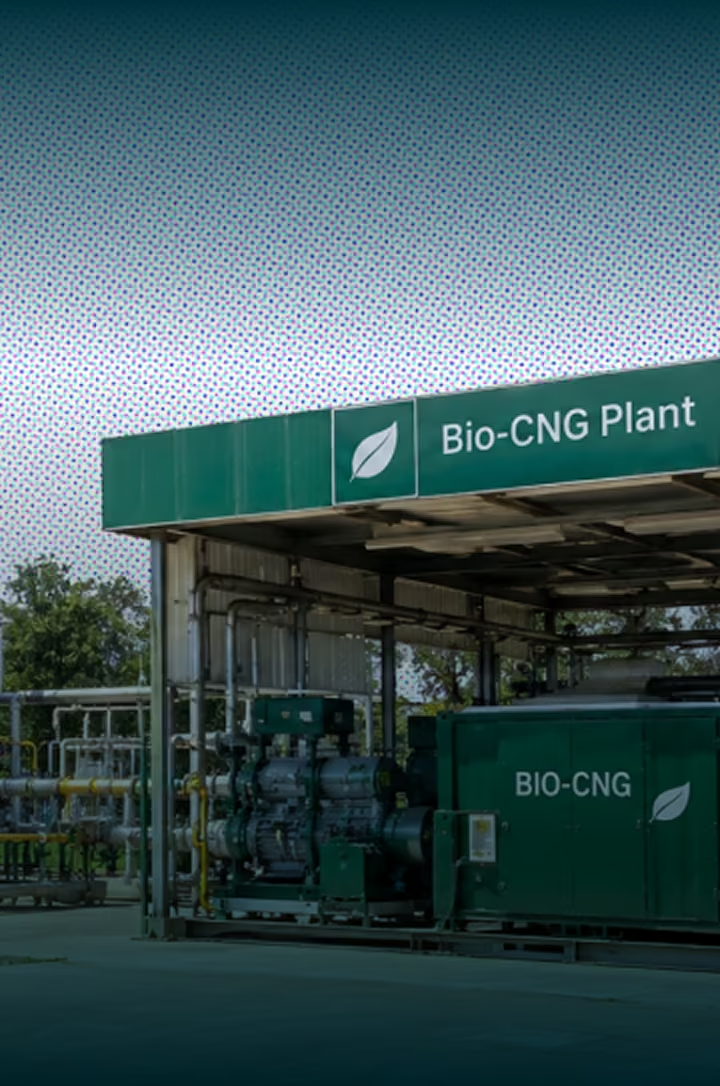
A carbon project reduces, avoids, or removes greenhouse gas emissions and can generate verified carbon credits. Examples include solar and wind farms, waste treatment, forest restoration, cleaner cooking, and biochar.

Emission reductions or removals are measured against an approved baseline, then verified by an independent body under a recognized standard. Each verified tonne of CO2 equivalent becomes one credit.
Avoidance projects cut emissions that would otherwise occur, such as renewable energy, waste management, and avoided deforestation. Removal projects pull carbon from the air, such as afforestation, biochar, and enhanced rock weathering. Each follows its own methodology.
Projects can be developed under standards such as Verra VCS, Gold Standard, and GCC, among other programs. Which one fits depends on your project type, location, and buyers. We help you choose before design begins.
It runs from screening and design through validation, implementation, monitoring, verification, and issuance. We handle each stage with you, and registration typically takes about eight months with us, against a market average of twelve.
Buyers and verifiers look at additionality, baseline, monitoring, permanence, leakage, safeguards, and independent verification. A project that documents all of these clearly earns credits that hold their value.
Project developers, landowners, companies, communities, and governments can all develop projects, depending on the methodology. If you have a site or an activity in mind, we can tell you if it qualifies and what it would take.
Potentially. It depends on the carbon standard, host-country regulations, the credits' eligibility, and buyer requirements. We check each of these during screening, so you know your market before you commit to design.