
































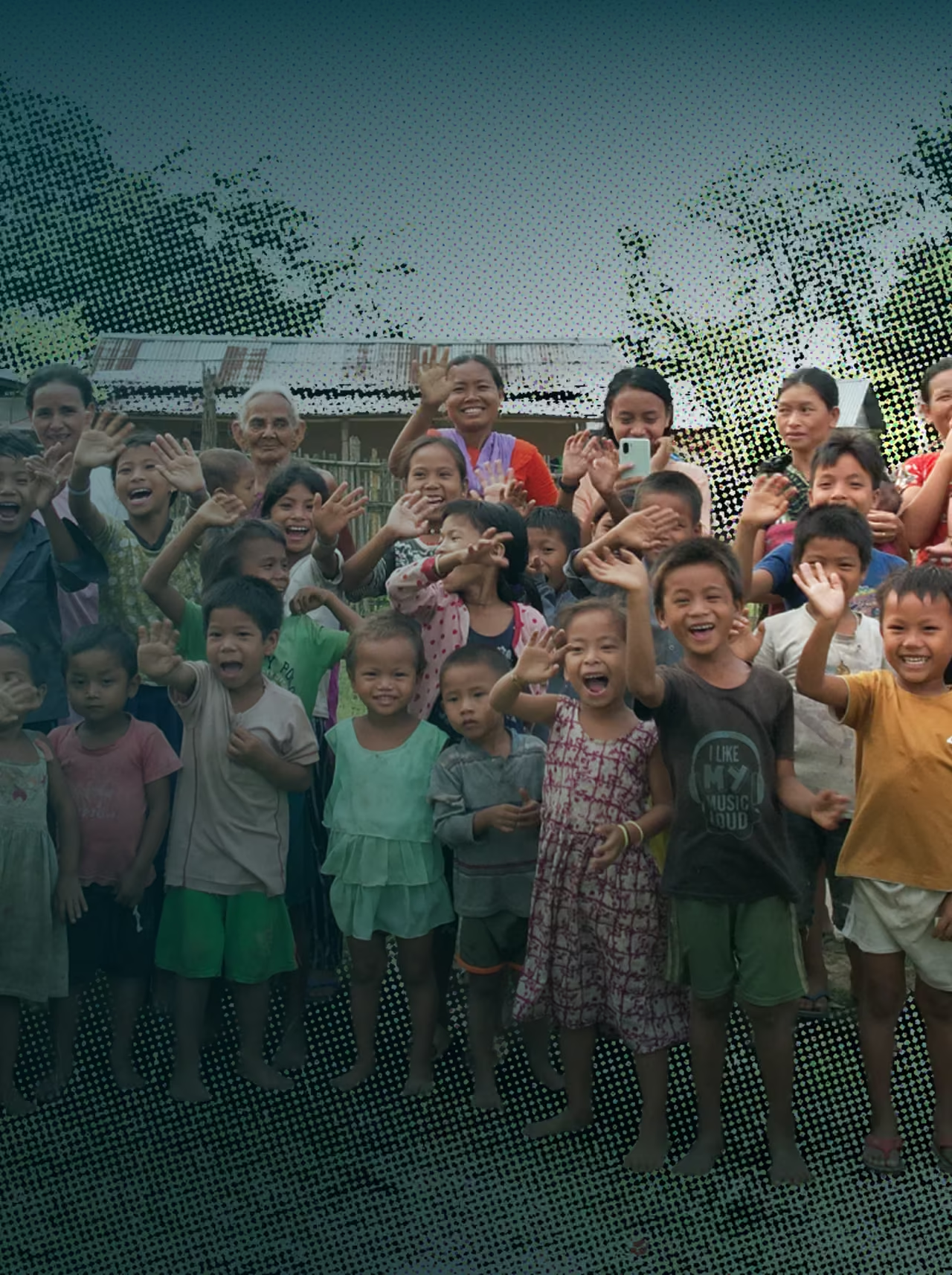

Put verified social impact next to your carbon outcomes
From cookstove distributions to clean water programs, we assess the social impact your project is creating for the communities it serves.
CLIMATE INVESTMENT · SOCIAL IMPACT ASSESSMENT
Why and who commissions a social impact assessment (SIA)
An SIA shows what a project actually changes for people. It sits beside your carbon numbers and supports CSR, ESG and sustainability reporting. We assess both nature-based and community-based projects.


Prove outcomes
Even ambitious abatement leaves emissions that cannot be removed today. High-integrity removals help address that residual.

Report with confidence
Evidence for CSR, ESG and sustainability reports that stakeholders and auditors can trace.

Support carbon claims
Show co-benefits next to carbon outcomes, supporting labels such as CCB and SD VISta.

Manage social risk
Spot grievances, exclusion and unintended harm early, before they affect delivery.

Improve program design
Learn what works, for whom, and where to adjust, using baseline and follow-up data.

Meet funder and buyer needs
Investors and credit buyers often ask for evidence of community benefit.
Impact assessment verified at the community level
We assess social outcomes with the same rigor we apply to carbon verification, because investors, donors, and regulators increasingly demand both.

Impact verified in person
We use community interviews, physical verification and direct observation to verify what’s actually happening on the ground.

Built for accountability
We trace funds from source to community to verify whether the outcomes match what was promised.

One integrated assessment
From emission reductions to livelihoods and health, we assess the full impact of your project in one engagement.

Grounded in communities
Different communities define impact differently. We adapt the assessment to project types and beneficiary profiles.
Where social impact claims fall apart
We catch the gap between reported impact and real outcomes, and give you the evidence to fix it or defend it.

Many impact reports cite numbers no one can verify. We trace the journey from funding to impact, so every claim can be proved.

Investment is only the first step. We trace where the money went, who it reached, and what changed for those communities.

Internal reports aren't enough for social claims. We conduct an independent assessment to give your impact credibility.
How we measure social impact from investment to community outcomes
Here's how we create a social impact report your donors and stakeholders can stand behind.
We identify whose lives the project was meant to change, and build the assessment around them.
We document pre-project conditions in the community, so there's a clear starting point to measure what your project actually changed.
We visit the communities, talk to the families, and see for ourselves whether the reported outcomes match reality.
We measure what actually changed in people's lives, whether that's income, health, access to resources, or daily quality of life.
An SIA report on the real human outcomes behind the project, with clear suggestions on how to strengthen impact in the next cycle.






What a social impact assessment (SIA) delivers

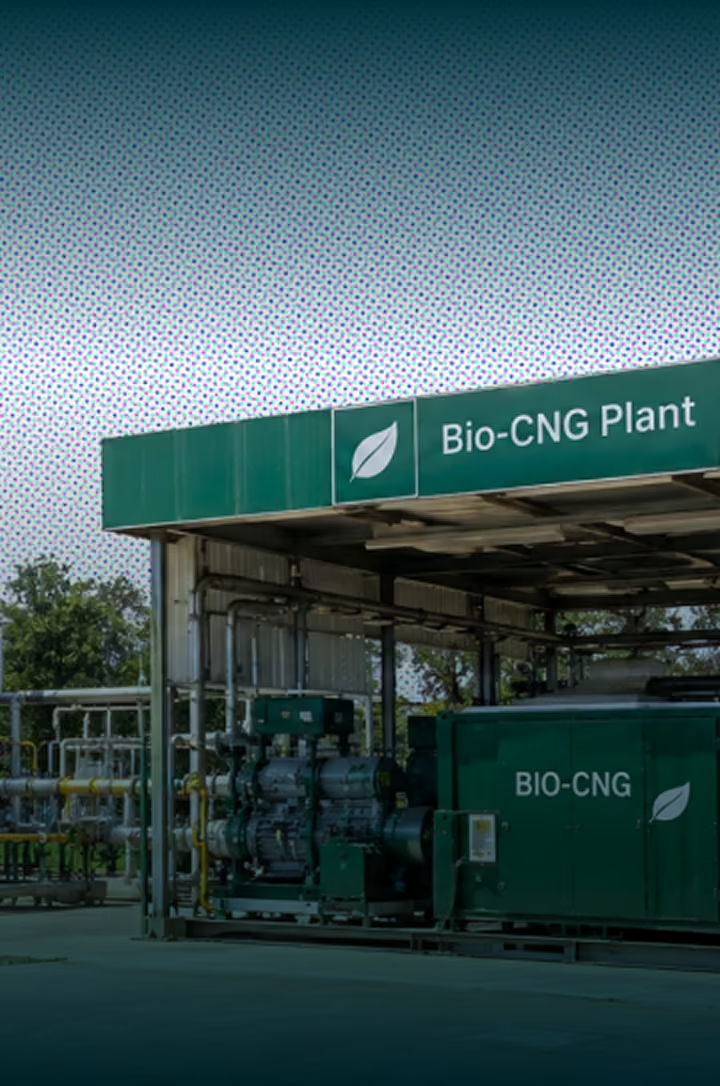
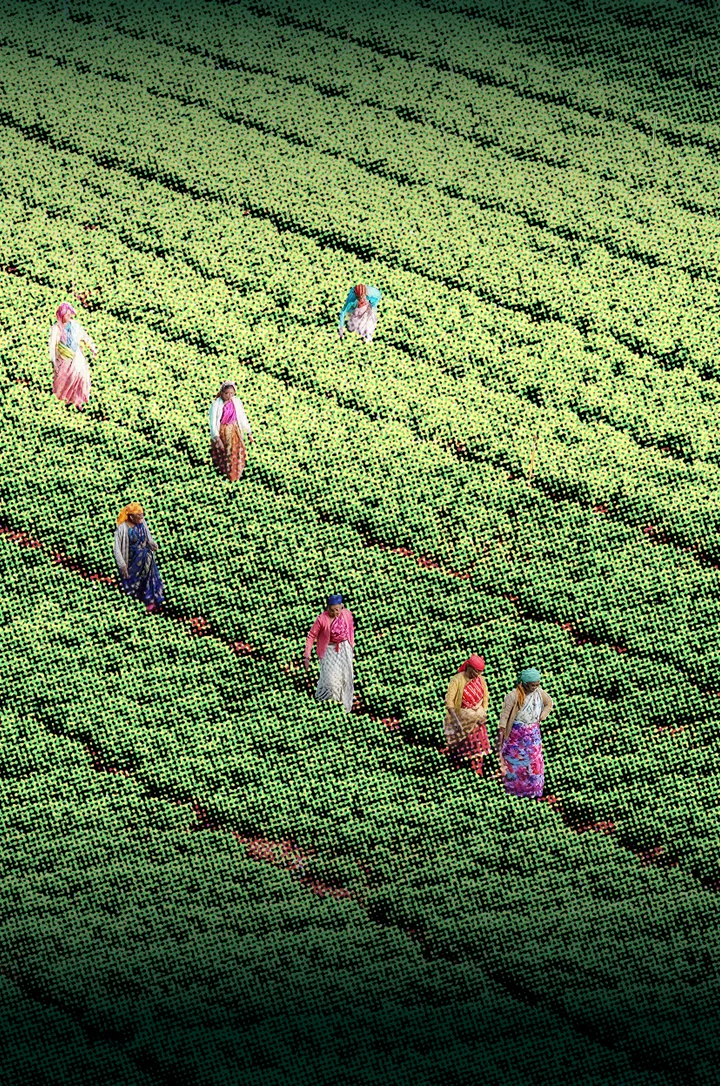
An SIA report covering methodology, findings, fund flow analysis, and community-level outcomes.

A documented trace of how project funds moved from source to ground, with verification at each stage of deployment.

Evidence-backed records of how outcomes were measured at the community level.

Social outcomes linked to Sustainable Development Goals, ready for investor or donor reporting.

Documented consultations with community members, local leaders, and project implementers.

Identified gaps between intended and actual impact, with practical steps for improving outcomes in future project cycles.
CLIMATE INVESTMENT · SOCIAL IMPACT ASSESSMENT
Compliance and frameworks: where an SIA fits
Requirements differ by company, sector and project. These are the main frameworks that point towards documented social impact evidence, with wording kept general.

Impact accountability, adapted to your industry
Impact looks different in energy, agriculture, community development, and waste management. We assess each with the context it demands.










Straight answers on measuring social impact
Start with what developers and financiers ask most about scope and consultation in an SIA, then bring us your project context.
An SIA evaluates the potential social effects, positive and negative, of a project on communities, livelihoods, and stakeholders.

Many project standards and financiers require evidence that a project won't cause unintended community harm and that local stakeholders have been consulted.
It typically involves stakeholder consultation, baseline data collection, impact analysis, and recommendations for mitigation or benefit-sharing measures.
Local communities, affected households, government bodies, and other relevant stakeholders are typically consulted, though the specific groups depend on the project context.
Many carbon and sustainability standards require social safeguards documentation, and an SIA can help meet that requirement. The exact requirements vary by standard and should be confirmed for the specific certification being pursued.
It is a structured evaluation of a project's effects on people and communities, health, income, gender, energy access and more, using baseline data, stakeholder engagement and ongoing measurement, typically mapped to the UN Sustainable Development Goals.
Credits with strong, well-evidenced community benefits are more credible, more defensible and often command higher prices. Buyers increasingly want proof of real, positive impact, not just tonnes of CO2.