






























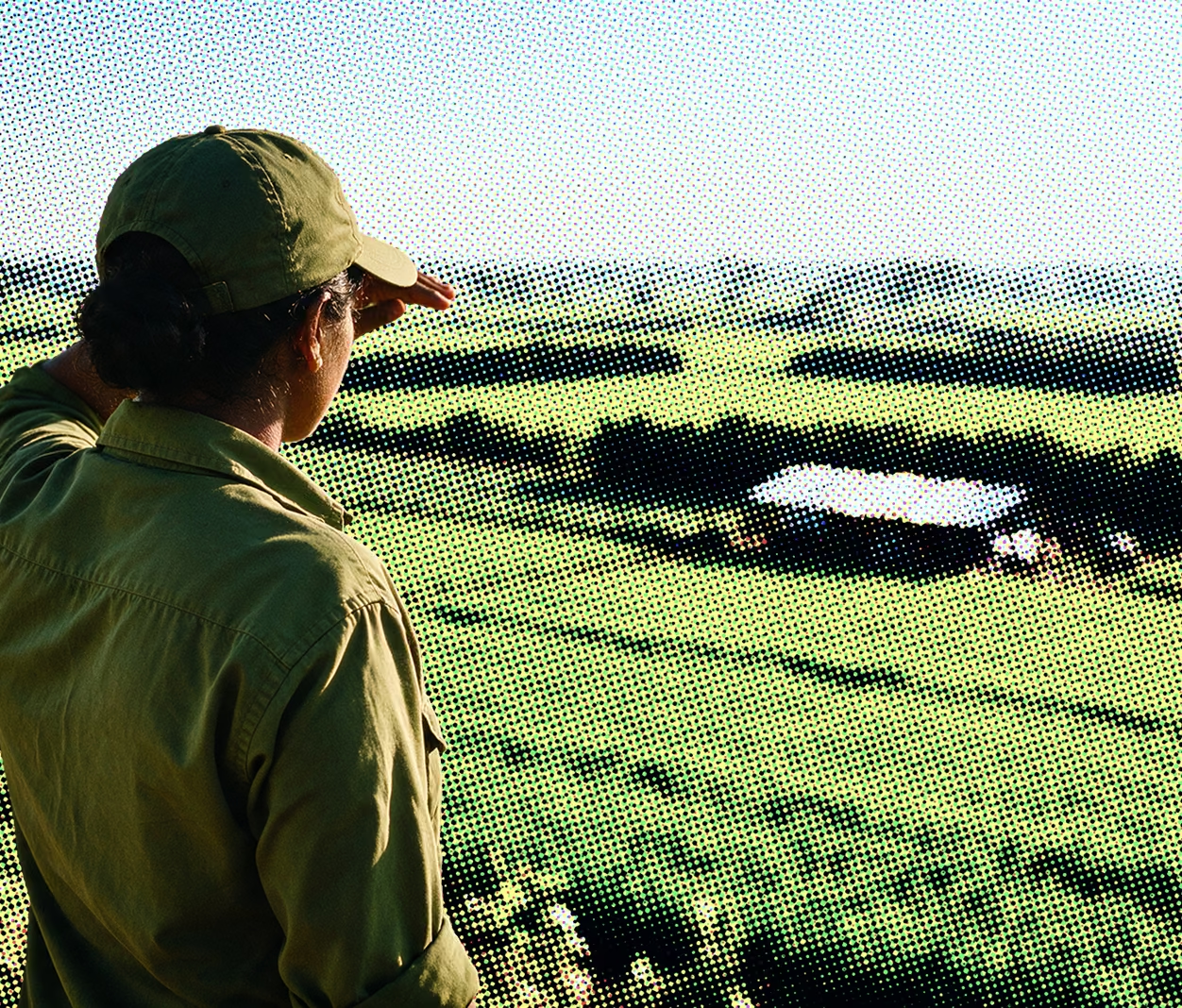







Keep your clearance on schedule with EIA support
We manage baseline studies, the EIA report, and public consultation together, so your project reaches appraisal with nothing missing.
EIA managed from scoping to clearance
Work with one team that runs the studies, the report, and the hearing, so no stage waits on another.

Full process, one team
We run scoping, baseline studies, the report, and the hearing ourselves, so nothing is lost between consultants.

Timeline planned from day one
We plan the studies and the filing around your construction date, and we flag seasonal monitoring needs at the start.

Public hearing support
We prepare your team, your materials, and your responses for the public hearing, so concerns are answered on the record.

Representation at appraisal
We represent your project before the Expert Appraisal Committee and answer its queries quickly.
Where an EIA timeline usually slips
We handle the regulatory path, the baseline studies, and the public hearing early, so none of them stalls your file.

Category, thresholds, and approving authority decide your route. We confirm them at screening, so you file with the right authority the first time.

Air, water, soil, noise, and ecology data can need a full season of monitoring. We schedule it first, so the report is not waiting on data.

A poorly prepared hearing can send a project back. We prepare your team and your responses in advance, so the hearing moves the file forward.
How we take you from site screening to clearance
We scope the studies, gather the baseline, write the report, run the hearing, and represent you at appraisal.
We screen the site and define the Terms of Reference, so the studies cover what the committee will ask for.
We collect baseline data on air, water, soil, noise, and ecology at your site.
We predict the impacts and write the EIA report and Environmental Management Plan.
We support you through the public hearing and the written responses that follow.
We represent your project before the appraisal committee and answer its queries until the decision.








What your EIA engagement delivers

A scoping document that defines the Terms of Reference for your project's studies.

Baseline data on air, water, soil, noise, and ecology for your project site.

A full report that predicts impacts and sets out mitigation, ready for review.

A plan that sets how you will manage and monitor each impact during construction and operation.

Preparation for the public hearing, plus representation through committee review.
EIA support for projects that need clearance
A mine, a power plant, and a road project face different studies. We scope each EIA around the project in front of us.













Straight answers on EIA clearance
Start with what developers ask most about when an EIA study is needed and how environmental clearance works, then bring us your project details.
An EIA is a structured study of a project's likely effects on air, water, land, ecology, and nearby communities. It also sets out measures to reduce those effects, and regulators use it to decide whether a project can go ahead.

An EIA is required for listed project types, such as industry, mining, infrastructure, and energy, once they pass set size thresholds. Your category and approving authority depend on the project's scale and location, and we confirm both at screening.
The process covers screening, scoping, baseline studies, impact prediction, the EIA report and management plan, public consultation, and appraisal by the regulator's expert committee. Some projects skip stages, so we confirm your route at the start.
Most EIAs take from a few months to about a year. The range depends on the project's size, the season in which baseline data is collected, and how quickly the hearing and appraisal move. We build a timeline at scoping.
We manage the full process: scoping, baseline studies, the EIA report and management plan, public hearing support, and representation at appraisal. One team handles every stage, so nothing falls between consultants.
Category A projects are cleared by the Central Government on the Expert Appraisal Committee's recommendation. Category B projects are cleared by the State authority on its State committee's recommendation. Category B1 needs a full EIA report, and B2 does not.
Validity is 10 years for most projects. River valley projects get 13 years, nuclear projects get 15 years, and mining follows the approved mining plan, up to 30 years. Check your clearance letter for the exact term.